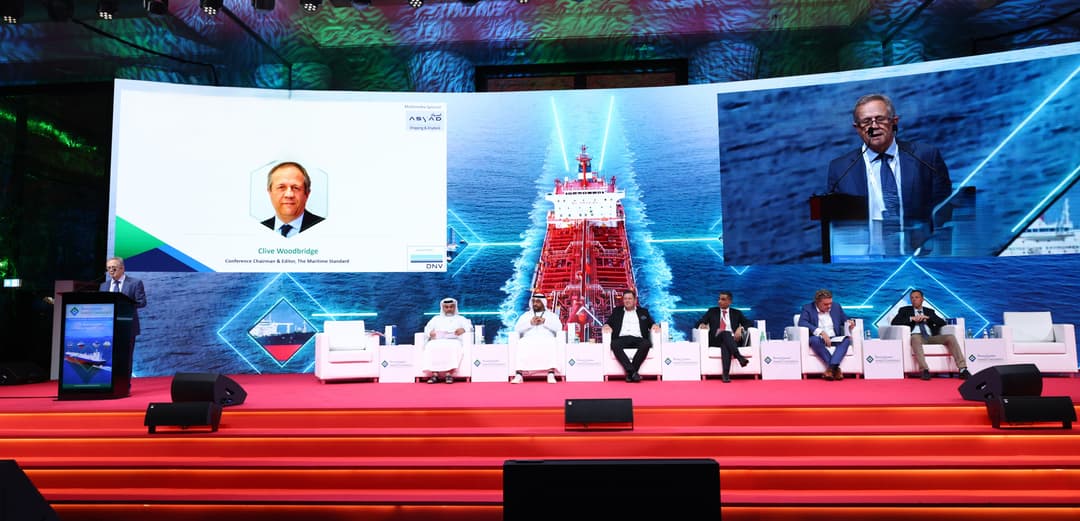
The AITECH Conference
The Maritime Standard AITech Conference 2026
24 November 2026 | Taj Exotica Resort, Dubai, UAE
Blog
March 2026
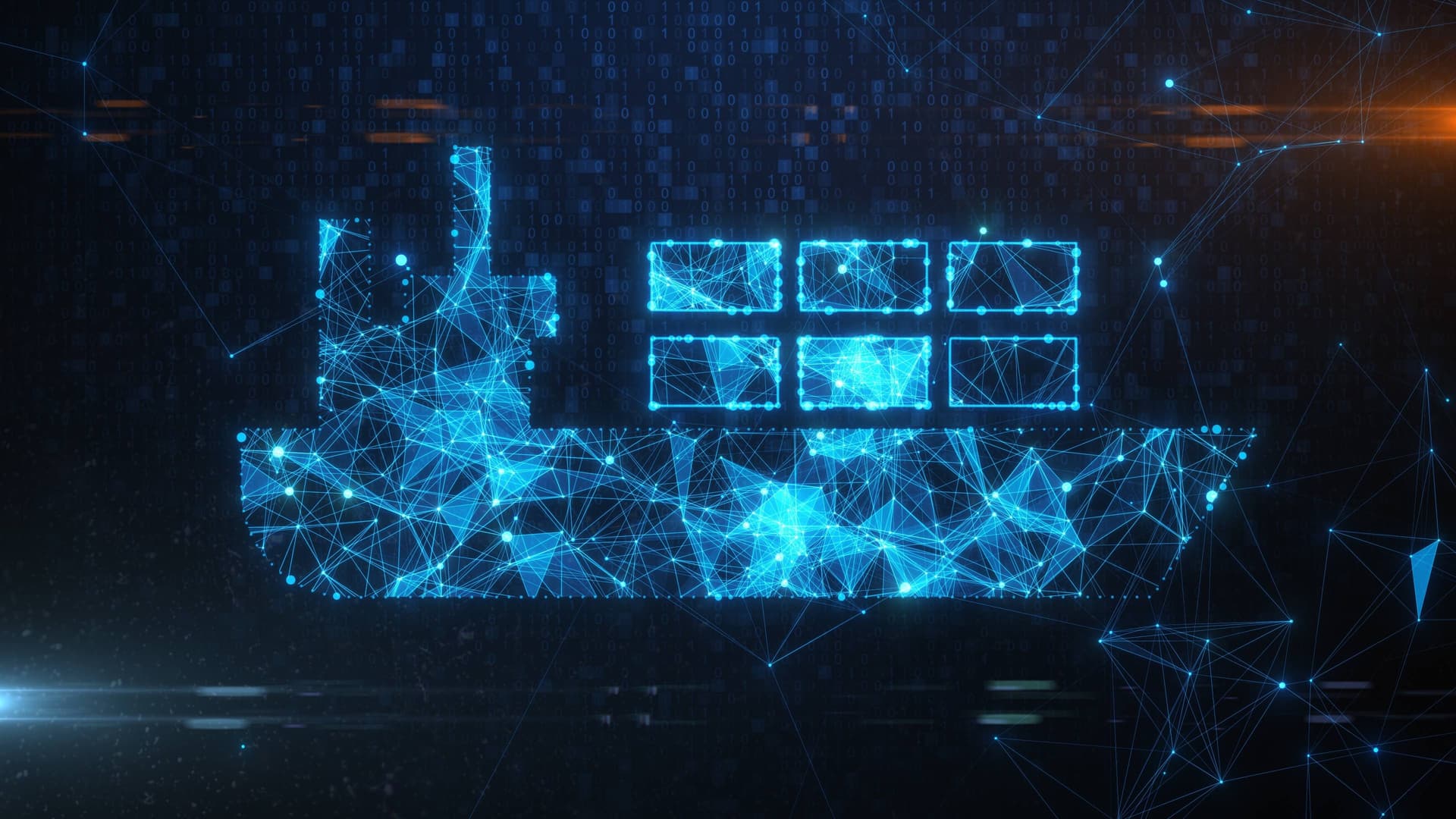
Generative AI in Ship Design and Maritime Operations: Reimagining the Blueprint of Global Trade
The maritime industry has always respected engineering discipline. Naval architecture is not improvisation. It is mathematics, hydrodynamics, structural physics, and decades of accumulated expertise. Yet something unprecedented is unfolding.
Generative AI is entering ship design rooms.
Not as an assistant. Not as a drafting shortcut. But as a computational partner capable of evaluating thousands of design possibilities faster than any human team.
In 2026, generative AI is redefining how vessels are imagined, engineered, built, documented, and operated. The blueprint of global trade is being rewritten in code.
From Drafting Tables to Algorithmic Design Studios
Traditionally, ship design followed iterative human refinement. Engineers would propose a hull form, simulate performance, adjust parameters, test again. It was methodical and time intensive.
Generative AI changes the rhythm.
By training on decades of maritime design data, performance metrics, fuel efficiency benchmarks, and material science parameters, AI models can generate optimised configurations based on defined objectives. Want to maximise cargo capacity while reducing drag? Want to balance fuel efficiency with structural stability? Want to optimise for alternative fuels such as LNG, methanol, or ammonia?
The AI generates hundreds or thousands of design permutations instantly.
Designers then evaluate options not sequentially, but strategically.
This reduces design cycle time dramatically. It also opens solution pathways that may never have emerged through traditional linear iteration.
Hydrodynamic Optimisation and Decarbonisation
Fuel efficiency is no longer a secondary design consideration. It is central to regulatory compliance and commercial viability.
Generative AI models incorporate:
* Computational fluid dynamics simulations
* Drag coefficient optimisation
* Propulsion alignment modelling
* Hull shape variations for reduced resistance
* Wind-assist integration analysis
These models evaluate how slight design changes affect fuel consumption under varied sea states and cargo loads.
In an era shaped by IMO decarbonisation targets and carbon intensity indicators, even marginal improvements matter. Even small single-digit fuel efficiency gains across a large fleet translate into significant cost savings and measurable emissions reduction.
AI-driven ship design is becoming a sustainability lever.
At the TMS AI Tech Conference 2026, leading innovators will demonstrate how generative AI is accelerating decarbonisation through design intelligence rather than post-construction retrofits.
Digital Feedback Loops: Design Meets Operational Reality
The most powerful application of generative AI emerges when it integrates with digital twins.
Operational data from existing fleets feeds back into design algorithms. Real-world performance informs next-generation configurations. Maintenance patterns influence structural reinforcement decisions. Route-specific efficiency data shapes propulsion optimisation.
This creates a closed-loop intelligence cycle.
Design no longer exists in isolation from operations. Instead, AI connects blueprint to voyage data, voyage data to performance analytics, and performance analytics back to future blueprint generation.
The result is evolutionary acceleration.
Shipbuilders and fleet operators who deploy this integrated AI ecosystem gain a compounding advantage.
Large Language Models in Maritime Administration
While generative AI transforms physical design, Large Language Models are quietly reshaping maritime administration and documentation.
Shipping is documentation heavy. Charter parties, bills of lading, compliance filings, safety manuals, port communication protocols, ESG disclosures. The administrative burden slows decision cycles and increases error risk.
LLM-based systems now assist with:
* Automated drafting of regulatory submissions
* AI-generated charter documentation
* Intelligent summarisation of compliance updates
* Natural language queries for fleet performance data
* Multilingual communication across global ports
This does not remove legal oversight. It enhances productivity and reduces administrative friction.
In high-volume shipping environments, documentation speed can influence cargo turnaround and contractual efficiency.
Generative AI introduces agility where paperwork once introduced delay.
Strategic Competitiveness in a Rapidly Evolving Industry
Speed of innovation is becoming a competitive differentiator. Shipyards that compress design timelines gain commercial advantage. Owners who adopt AI-assisted optimisation enhance asset valuation. Operators who integrate AI into documentation workflows improve turnaround efficiency.
Generative AI is not speculative. It is becoming embedded infrastructure in forward-looking maritime organisations.
However, adoption requires governance frameworks, cybersecurity safeguards, data architecture planning, and workforce upskilling.
These are precisely the conversations that will unfold at the TMS AI Tech Conference 2026 on 24th November.
Industry leaders, shipbuilders, AI technologists, financiers, and regulators will examine not only what is possible, but what is scalable, compliant, and commercially viable.
The next generation of ships will not simply be built. They will be computationally conceived.
The question for maritime stakeholders is clear: will you shape that evolution or react to it?
Register now to join the leaders redefining the blueprint of global trade.
Sponsors
Platinum Sponsor
Networking Reception
Multimedia
Delegate Bags
Valet Parking
Platinum Sponsor
Networking Reception
Multimedia
Delegate Bags
Valet Parking
Platinum Sponsor
Networking Reception
Multimedia
Delegate Bags
Valet Parking
Platinum Sponsor
Networking Reception
Multimedia
Delegate Bags
Valet Parking